What mechanical concrete polishing actually is
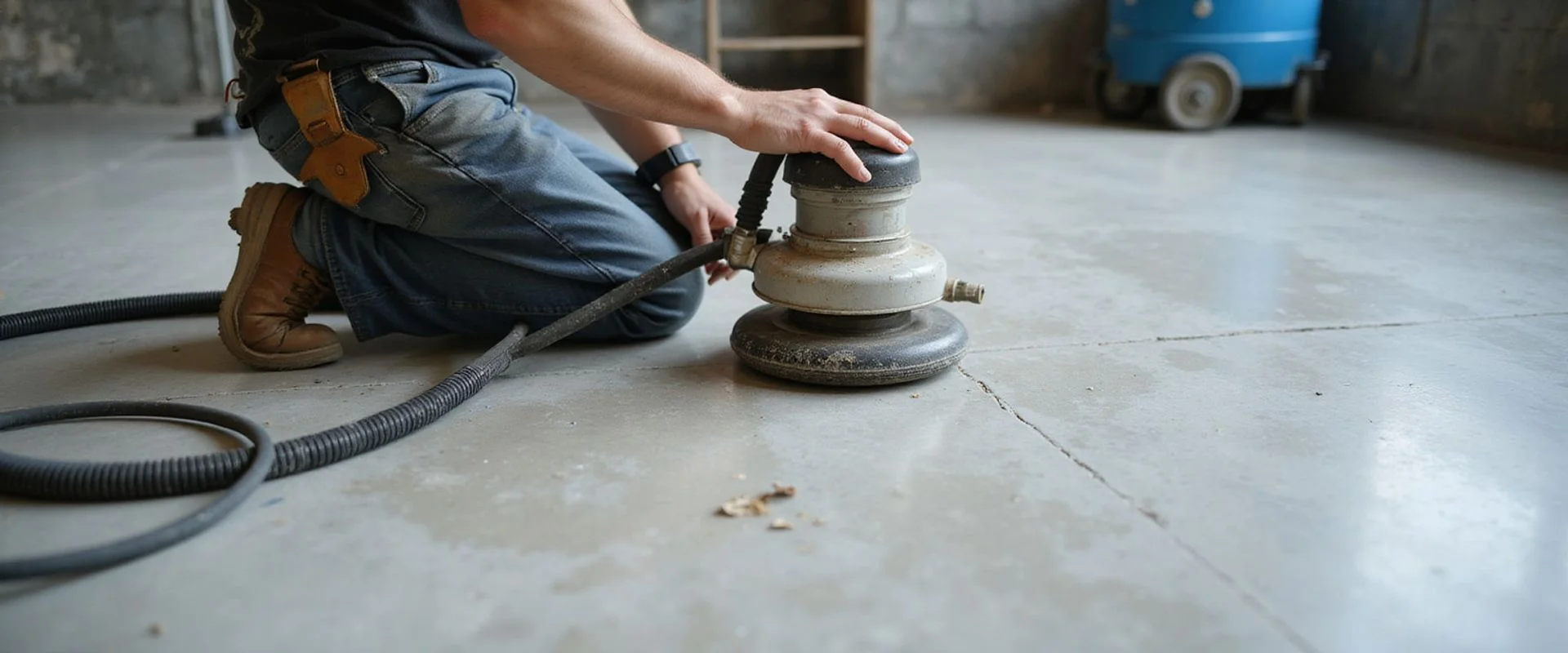
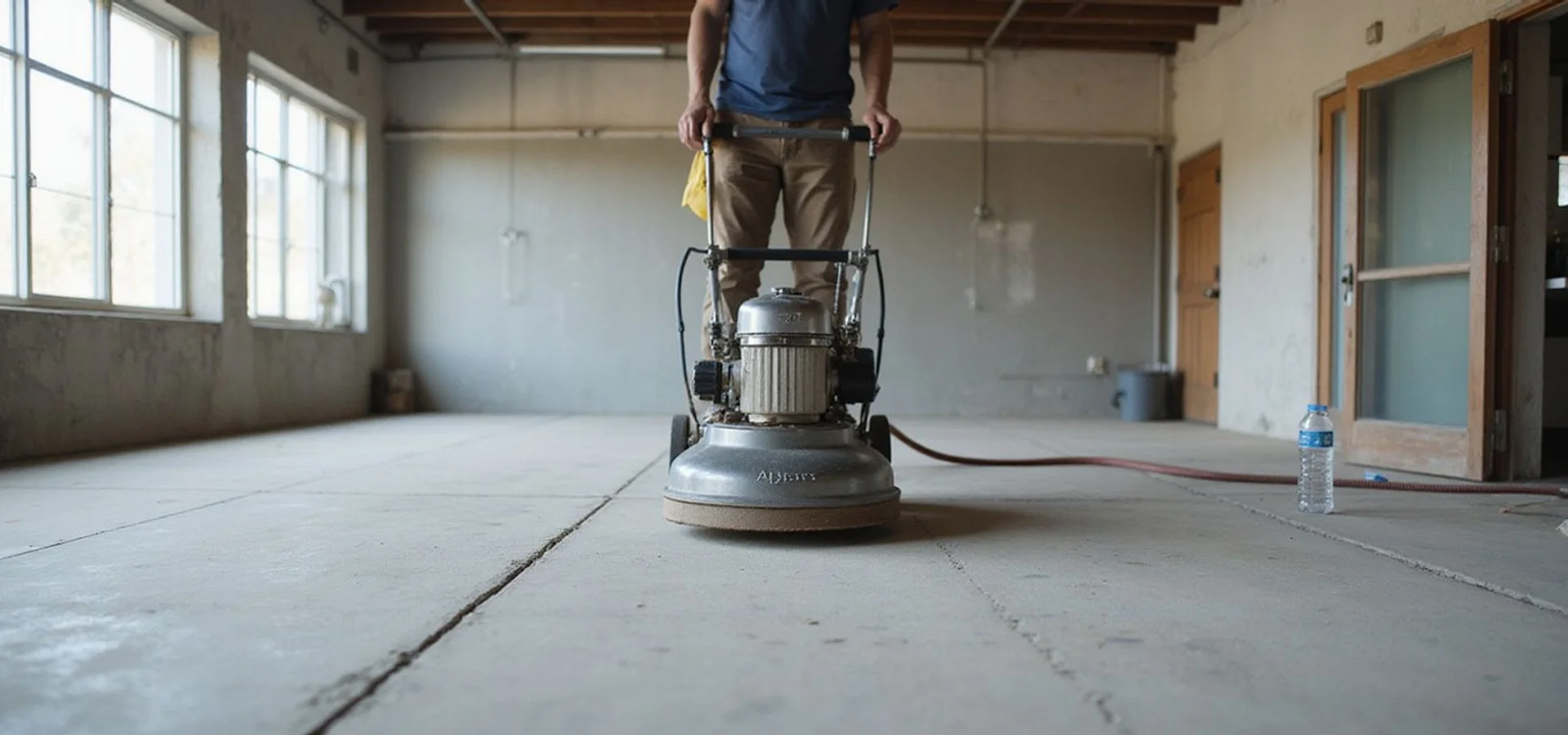
Polished concrete is a mechanical process, not a coating. We grind, hone, and polish a suitable slab with progressive diamond abrasives, then densify the surface so it hardens and resists wear. The shine you end up with is the concrete itself, refined — there is no film on top to scratch through or peel away.
That distinction matters more than any other decision on this page, and it is the standard we hold every one of our polished concrete floors in Austin to. A glossy coating can look similar on day one and behave completely differently in year three. When a contractor says “polished concrete”, ask whether they mean progressive mechanical refinement with a penetrating densifier, or a ground floor with a sealer rolled over it. Both are legitimate products. They are not the same purchase.
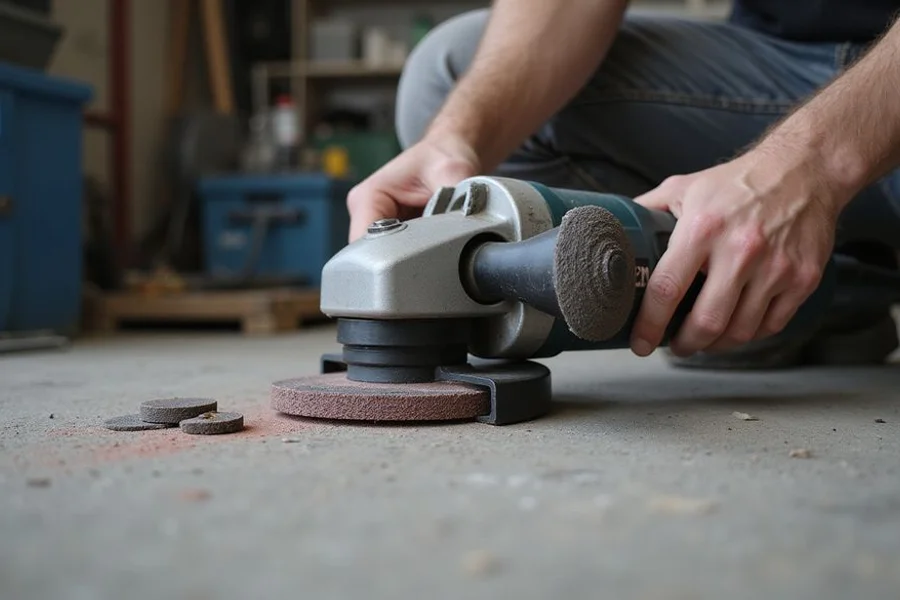
Preparation, desired aggregate exposure, sheen level, optional color, and any protective treatment are agreed before work begins — usually against a sample or mockup so expectations are realistic. We distinguish existing-slab renovation from new-construction planning, because the two conversations are genuinely different.
Types of polished concrete finish
There are two separate appearance choices, and mixing them up causes most of the disappointment we see on other people’s projects.
Aggregate exposure is how much stone shows. It is set by how deep the first grinding pass cuts:
- Cream — minimal exposure, the smooth top layer of the slab. Needs a flat, well-finished pour to look even.
- Salt-and-pepper — a fine, consistent scatter of sand and small aggregate. The most forgiving option on a remodel slab.
- Exposed aggregate — a deeper cut revealing larger stone cross-sections. Requires suitable aggregate close enough to the surface, which not every slab has.
Sheen is how reflective the surface is, and it is set by how far the polishing sequence is taken: matte, satin, or high-gloss. You can have a matte exposed-aggregate floor or a high-gloss cream floor. Deciding one does not decide the other.
Colour is a third, separate choice. Dyes and stains can be introduced during the process, and the difference between polishing and staining is worth understanding before you commit.
What the process involves on site
A typical project runs through preparation, cutting to exposure, densification, honing and polishing, then any specified protection. Preparation is usually the least glamorous and most consequential stage: removing tile, carpet, adhesive, or an old coating; opening and filling cracks; addressing trenches and patches; and deciding whether control joints get a semi-rigid filler.
Densification is the step that separates a polished floor from a ground floor. A lithium or sodium silicate densifier reacts within the concrete’s surface chemistry, hardening it so subsequent polishing produces clarity instead of just smoothness. On a hard-use floor it also makes a measurable difference to how the surface holds up.
Throughout the work, grinders run with HEPA-filtered extraction and work zones stay contained. In an occupied home or a trading business, that is not a nice-to-have.
Cost guide: what changes the number
We do not publish a flat price per square foot, because the same floor area can carry wildly different scope. What actually moves the figure:
| Factor | Why it changes the price |
|---|---|
| Existing flooring removal | Tile, carpet, and adhesive removal is labour before polishing even starts |
| Slab condition and repairs | Cracks, trenches, patches, and spalling all add preparation |
| Aggregate exposure | A deeper cut means more passes and more tooling wear |
| Sheen level | Higher sheen means more refining passes |
| Edge and detail work | Perimeters, stairs, and tight rooms are slower than open floor |
| Access and phasing | Upper floors, restricted parking, and off-hours work all add time |
| Colour and treatments | Dyes, stains, and protective treatments are additional specified steps |
The full breakdown, including how to read inclusions and exclusions, is in our Austin polished concrete cost guide.
When another option may be appropriate
Polishing is not automatically the right answer. If the slab is badly damaged, heavily patched, or too soft to take a finish, a polishable overlay gives a fresh, uniform surface instead. If the space needs chemical resistance or a non-porous surface — a workshop, a garage, certain commercial kitchens — an epoxy system may fit better. And where a slab cannot support full mechanical polishing but the owner wants gloss, grind and seal is a legitimate compromise with a known maintenance cycle.
We would rather tell you that on the first visit than after the tooling is on site.