The honest answer
Dry, clean, properly polished concrete provides reasonable traction for normal walking. Wet, or contaminated with dust, oil, or grit, it becomes slippery — exactly like polished stone, sealed timber, tile, or vinyl in the same condition.
No floor is slip-proof. Any contractor who tells you otherwise is making a claim they cannot support, and it is the sort of claim we deliberately keep off our polished concrete pages.
What actually determines traction
Moisture. Water is the biggest single variable. A dry polished floor and the same floor after a spill behave very differently.
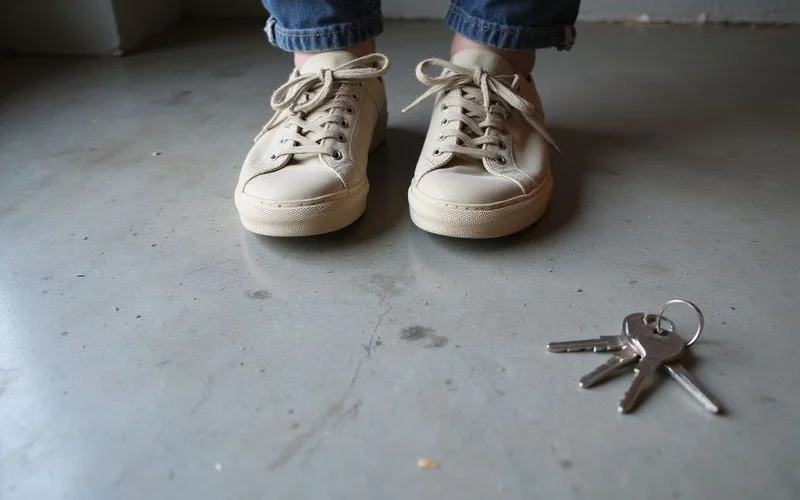
Contamination. Fine dust acts like ball bearings underfoot. So does oil, and so does the residue left by some cleaning products. A floor that feels slick often just needs proper cleaning.
Footwear. Smooth-soled dress shoes and bare wet feet are different propositions from rubber-soled work boots on the same surface.
Surface texture. Aggregate exposure creates marginally more texture than a cream finish, though the difference is smaller than most people assume. Sheen level has less influence on grip than it does on appearance.
Contact time and gait. How people move through a space — hurrying through an entry, carrying loads, turning corners — changes the risk more than a small difference in surface finish.
Slip resistance testing in plain language
Slip resistance is measured as a coefficient of friction: a ratio comparing the force needed to start something sliding to the force pressing it down. Higher is grippier. Different standards test it differently, some dry and some wet, using various sled materials or pendulum devices.
Two things matter when you read a number:
- A dry number tells you nothing about wet performance. Most floors that test acceptably dry drop substantially wet.
- A test result describes a sample at a moment in time. Your floor’s traction changes with wear, cleaning regime, and what gets spilled on it.
That is why we assess traction for how a space is actually used, rather than quoting a figure and calling the question closed.
Practical steps that genuinely help
| Situation | What helps |
|---|---|
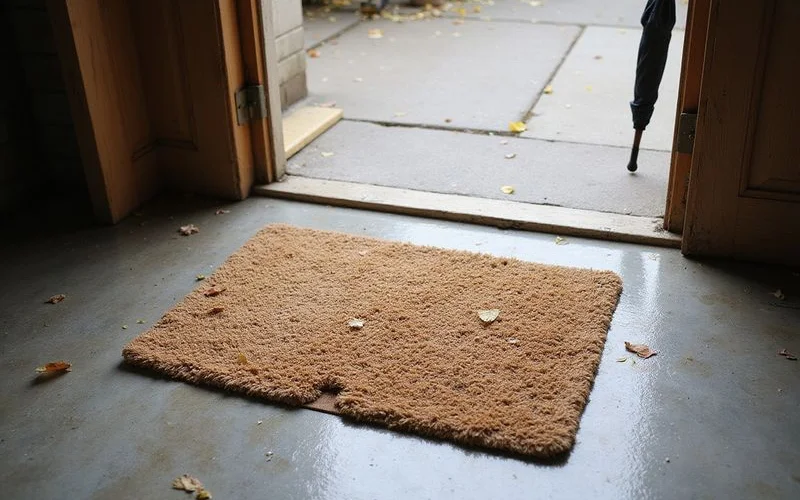
| Entries and doorways | Proper matting — long enough for two or three steps |
| Kitchens | Prompt spill cleanup, mats at the sink and cooking zone |
| Bathrooms and laundries | Mats, and honest consideration of whether polished concrete suits |
| Retail entries in rain | Runner matting and wet-floor signage as standard practice |
| Commercial back-of-house | Consider a textured coating instead of a polished finish |
Cleaning is a safety measure
The slipperiest polished floors we are called to look at are usually the dirtiest ones, or ones treated with a product that left a film. Correct cleaning often resolves what looks like a design problem.
Anti-slip treatments
Topical anti-slip treatments exist and can raise wet traction. They work by micro-etching the surface or adding a fine texture, which changes the look and feel of the floor to some degree — often reducing clarity slightly. They also wear, so they are a maintained feature rather than a permanent change.
Where a space genuinely needs high wet traction — a commercial kitchen, a wash-down area — a textured resinous system is usually the more appropriate answer than polished concrete with a treatment applied over it.
Designing for traction, room by room
Traction is easier to design in than to retrofit, and the decisions are room-specific.
Entries. This is where nearly every slip incident in a building starts, because water arrives on shoes. Matting long enough for two or three full steps removes most of it. In a commercial entry that means a proper matting well, not a doormat.
Kitchens. Water and oil together are the difficult combination. A mat at the sink and the cooking zone, plus a habit of wiping rather than leaving, handles most domestic situations.
Bathrooms and laundries. Worth an honest conversation before specifying. Polished concrete can work, but a textured finish, mats, or a different covering may suit better where the floor is regularly wet.
Stairs. Deserve separate treatment in every case. Nosing detail and tread traction matter more here than anywhere else in a building.
Commercial back-of-house. Where water or grease is routine, a textured resinous system is usually more appropriate than polished concrete with a treatment on top.
Choosing with your eyes open
If traction is a specific concern — an elderly household member, a wet-prone entry, a food service space — say so early. Finish selection, matting, treatments, and sometimes choosing a different system for that particular room are all better decisions to make before the work than after. Our finishes guide covers how exposure and sheen interact with the way a floor feels day to day.