Why it is hard to compare polished concrete quotes
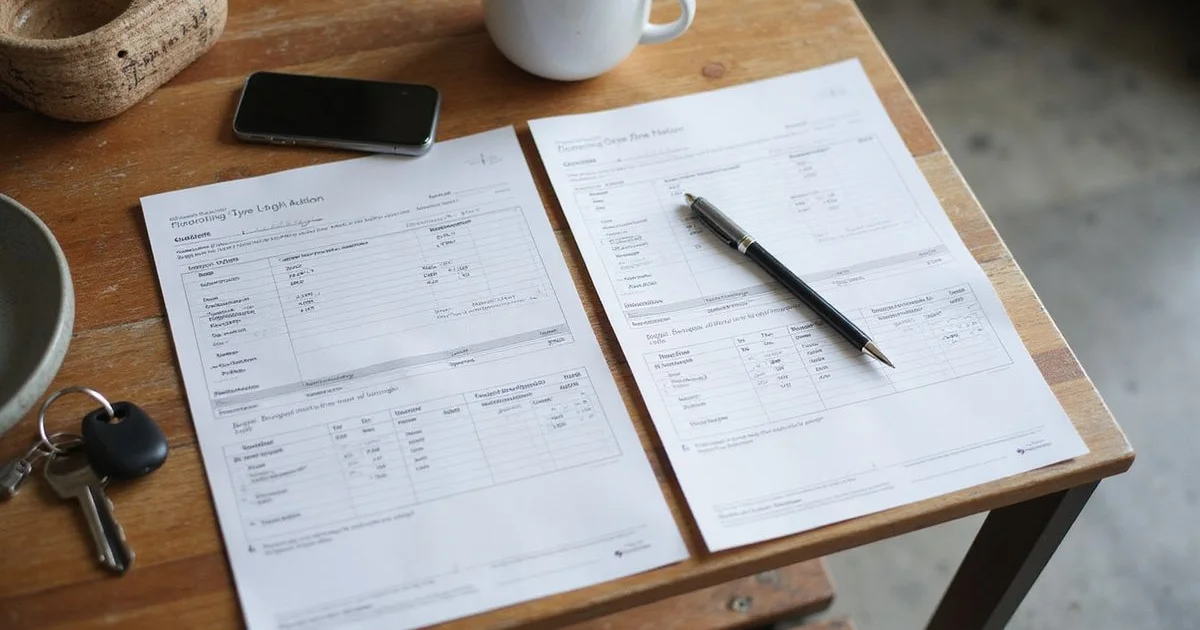
Our team constantly sees commercial and residential clients puzzled by bids that swing wildly from $4 to $15 per square foot. The instinct is to assume someone is overcharging, but the truth is usually just that the contractors quoted completely different scopes of work. When scopes vary, trying to compare polished concrete quotes feels impossible.
Comparing the headline numbers tells you almost nothing until you normalize the details. You need a standard polished concrete contractor checklist to compare apples to apples because bids differ on key factors:
- Surface preparation and demolition
- Crack repair and joint filling
- Final gloss and aggregate exposure
This guide reflects exactly how we scope polished concrete work, and it is the buyer-side companion to our cost factors guide. A clear scope eliminates expensive mid-project surprises.
Let us walk through the essential questions you need to ask your contractors.

1. Preparation and removal
Our experience shows that surface preparation dictates a massive portion of your project cost, often adding $3.50 to $6.00 per square foot just to remove old ceramic tile and thinset in 2026. This phase is the most common source of variation between bids and the primary cause of mid-project cost increases.
- What existing flooring is being removed, and by whom?
- Is adhesive, thinset, or mastic removal included, or priced as an extra if found?
- Is waste disposal included?
- What happens if a second layer is discovered underneath the first?
Contractors must also account for the strict 2026 OSHA respirable crystalline silica standards during grinding. Airborne silica dust from concrete preparation carries a permissible exposure limit of just 50 micrograms per cubic meter.
We always look for contractors who explicitly list dustless grinding systems equipped with HEPA vacuums in their quotes. Failing to use proper dust collection not only creates a massive mess in your home or business, but it also signals a contractor cutting corners on basic safety.
2. Repairs
Repair allowances separate realistic quotes from overly optimistic ones, with professional polyurea crack routing and filling typically costing $1 to $3 per linear foot across the US. A quote with no repair allowance on an older slab is a number that will absolutely change.
- Are crack repairs included, and how many linear feet are allowed?
- Are tack holes, spalls, and small patches covered?
- What is the process if additional repair work is needed once the floor is exposed?
- Are control joints being filled, and with what?
We highly recommend requesting polyurea fillers instead of basic epoxy for active cracks. Polyurea remains flexible after curing, which prevents the repair from splitting again when the concrete expands and contracts during seasonal temperature shifts.
Older basements and commercial floors often hide extensive pitting under previous coatings. Your contractor should establish a clear per-foot price for structural repairs upfront so you know exactly what a worst-case scenario looks like.
3. Finish specification
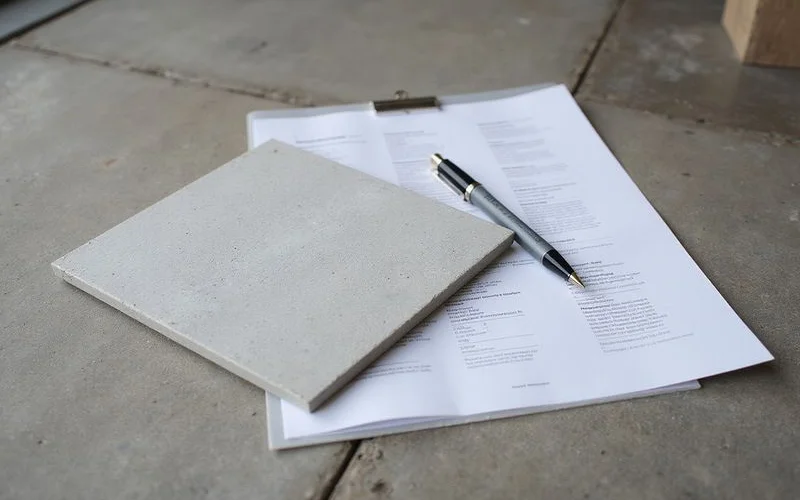
The finish specification dictates both the final look and the total labor required, so you need clear definitions for aggregate exposure class and gloss level. A quote that specifies only a final grit number has not specified the finish, because two contractors running the same grit sequence can deliver completely different floors.
- What aggregate exposure class is specified?
- What sheen level or appearance level is specified?
- Is there a sample or mockup process, and does approval happen before full production?
- Is a densifier included, and is the product named?
Our preferred standard follows the Concrete Polishing Council (CPC) classifications for aggregate exposure. A Class A “Cream” finish requires very little surface grinding and leaves the top layer mostly intact, while a Class C “Coarse Aggregate” finish requires heavy, deep grinding to expose the large stones.
You will pay significantly more for a Class C finish because it demands more time, heavier equipment, and more diamond tooling.
4. Treatments and colour
Treatments lock in the durability of your new floor, and the type of densifier used will heavily influence the longevity of the polish. Be wary of any quote promising a stain-proof or maintenance-free result, as no treatment truly delivers that impossible standard.
- Is any protective treatment included? Which one?
- Is colour (dye or stain) included or quoted separately?
- What does the treatment actually claim to do, and does the claim sound plausible?
We urge clients to verify whether the contractor uses a lithium silicate densifier or a cheaper sodium silicate option. Lithium silicate costs slightly more upfront, but it penetrates deeper and will not leave behind a white salt residue called efflorescence.
A contractor who claims their sealer completely prevents all oil or acid stains is setting you up for disappointment. You should look for quotes that specify penetrating stain guards, which buy you time to wipe up spills rather than acting as a magical forcefield.
5. Scheduling and phasing
Project scheduling affects your business downtime or living arrangements, and a standard crew typically polishes around 500 to 1,000 square feet per day depending on the cut. A realistic timeline must account for the grinding depth, the repair curing time, and the layout of the space.
- How many days on site, and in what sequence?
- For commercial work: which zones, in what order, and what is the return-to-use commitment per zone?
- Is off-hours or weekend work included where required?
- What happens to the programme if the slab needs more preparation than assumed?
Our commercial clients often require phased weekend work to avoid shutting down retail operations. This off-hours labor usually carries a premium, so you must ensure the schedule explicitly outlines shift times and curing windows.
You should also clarify how the timeline shifts if they uncover major issues under the existing flooring.
6. Exclusions and responsibilities
Exclusions define what you are financially responsible for outside the quoted number, such as moving heavy furniture or supplying proper electrical power. Missing these details can quickly derail your project budget before the grinders even turn on.
- Furniture moving: included or yours?
- Protection of the finished floor from following trades: whose job?
- Baseboards, thresholds, and transitions: in or out?
- Power and water on site: provided by whom?
We frequently see bids that fail to mention electrical requirements for industrial grinding equipment. Large planetary grinders often require 3-phase, 480-volt power, and if your building only has standard 110-volt outlets, the contractor will need to rent a towable generator.
Ask this of every contractor
“What is deliberately excluded from this number, and what is the most likely thing that would increase it?” The quality of the answer tells you as much as the price does.
7. Care and warranty
Post-project care instructions and warranties protect your investment, and using the wrong cleaning products will instantly void most guarantees. A professional contractor provides written maintenance protocols on the final day of the job.
- Are written care instructions provided at handover?
- What warranty applies, to what, and for how long?
- What voids it?
- Are manufacturer warranties on specified products being passed through?
Our teams always warn property owners about the dangers of acidic cleaners like white vinegar or harsh commercial degreasers. You must use a strictly pH-neutral concrete cleaner to maintain the floor, as acids will literally eat away the protective densifier and dull the shine.
Putting the quotes on equal terms
A side-by-side comparison matrix quickly reveals why one bid is drastically cheaper than another. Fill out this checklist, and the numbers frequently converge into a much tighter price range.
| Line item | Quote A | Quote B | Quote C |
|---|---|---|---|
| Removal and disposal | |||
| Crack and patch repair allowance | |||
| Aggregate exposure specified | |||
| Sheen / appearance level specified | |||
| Densifier named | |||
| Protective treatment | |||
| Sample or mockup approval | |||
| Days on site / phasing | |||
| Exclusions listed | |||
| Care instructions and warranty | |||
| Fixed quote or estimate |
Where one bid remains much lower, you will usually be able to point to the empty row that explains the difference.
The red flags worth naming
Certain contractor behaviors signal a lack of experience or a willingness to cut corners on your project. Identifying these warning signs early saves you from hiring a team that cannot deliver a quality finish.
- A price given over the phone without seeing the slab or photos
- No mention of assessing what is under the existing floor
- “Polished concrete” used without confirming whether the sheen comes from the slab or a sealer
- Guarantees of a specific appearance from a grit number alone
- Stain-proof, slip-proof, or maintenance-free claims
- No written exclusions
We consider it a massive red flag when a contractor refuses to do a mockup or test patch on a commercial project. You should never sign a large contract based solely on portfolio photos taken in entirely different lighting conditions.
Questions worth asking before the site visit
You can filter a shortlist in a five-minute phone call by asking a few pointed, technical questions. Four specific inquiries do most of the heavy lifting.
“Is the sheen from the concrete or from a sealer?” This separates mechanical polishing from grind-and-seal immediately, and it tells you which maintenance cycle you are buying.
“Will you grind a test area on my slab before quoting a finish?” A contractor confident in their assessment says yes without hesitation. One who wants to quote from photographs alone is pricing an assumption.
“What do you assume about what is under my current floor?” The answer reveals whether removal and unexpected conditions sit inside or outside the number.
“Who is doing the work?” Directly employed and subcontracted crews are both fine. Knowing which, and who supervises finish quality, is not an unreasonable question.
Our project managers always appreciate when a client asks these questions, because it shows they value actual craftsmanship over the lowest possible bid.
What a fair variation looks like
Even a well-scoped project can hit unexpected roadblocks once the existing floor is up, such as a hidden trench or soft concrete. A fair variation request protects both the contractor’s time and the client’s budget.
A fair variation has three characteristics:
- It is raised before the extra work is done, rather than added to the final invoice.
- It describes the condition found, ideally with a photograph.
- It prices only the additional work, not a total re-rate of the whole job.
An unfair variation arrives at the end, describes something that should have been visible at assessment, or re-prices work already quoted. Asking during the initial quote how variations will be handled sets the expectation clearly on both sides.
We find that most disputes happen because someone assumed a problem was included in the base price. You can avoid this by demanding all change orders in writing before the crew touches the newly discovered issue.
What our own quotes contain
Our process guarantees transparency from the first phone call to the final walkthrough. An estimator reviews your details within 24 business hours, then we assess the slab on site and grind a test area where useful.
The written scope names preparation, repairs, exposure, sheen, densifier, treatments, phasing, exclusions, and care terms. We provide the same rows as the table above, already filled in with concrete data.
You deserve a contractor who treats your floor as an investment rather than a quick paycheck. Use this concrete polishing quote comparison guide during your next site visit, compare polished concrete quotes closely side-by-side, and watch how quickly the best option reveals itself.